
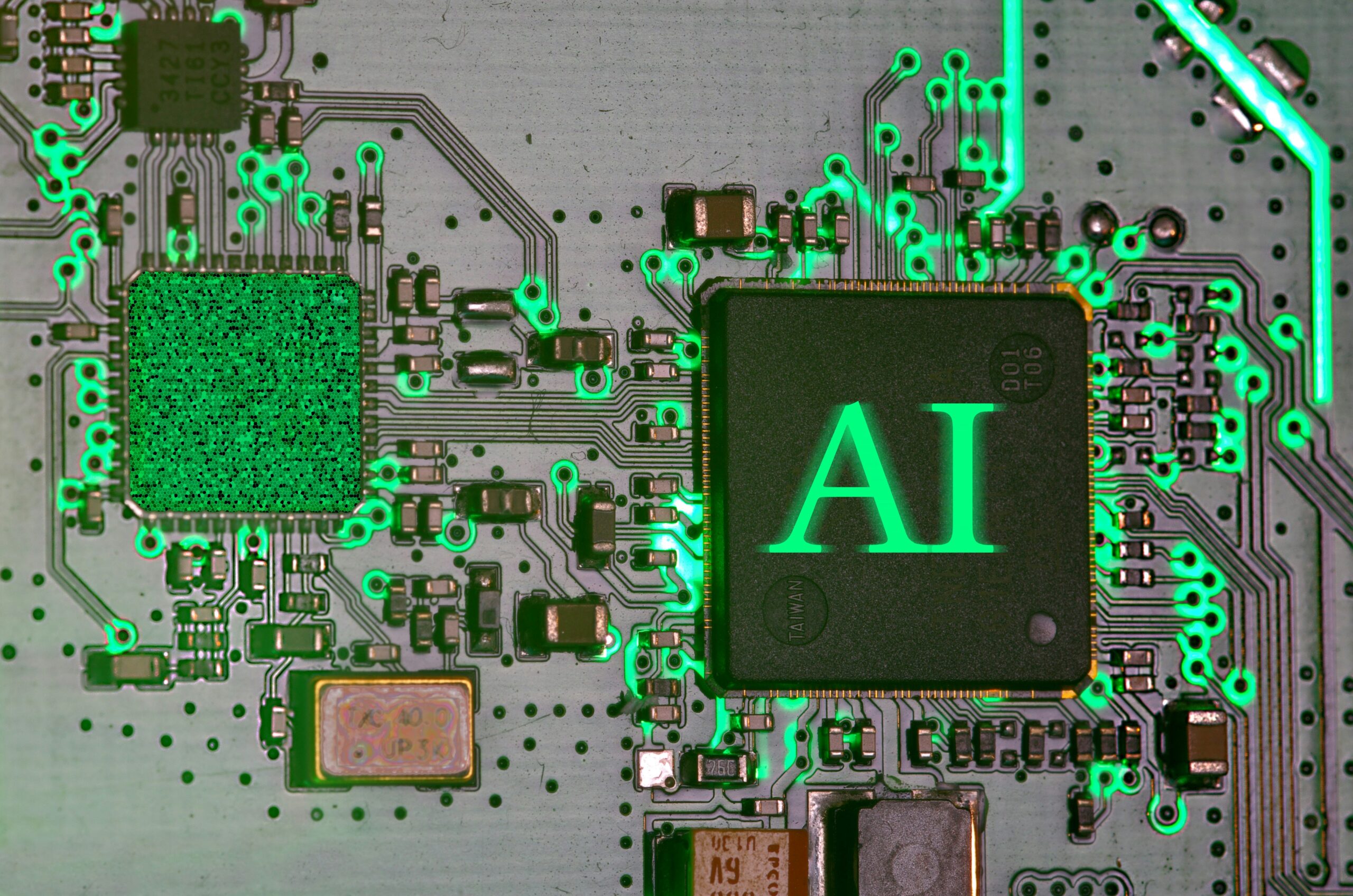
Decades before artificial intelligence dominated headlines and neural interfaces captured scientific imagination, cyberpunk authors painted a dystopian future that seemed impossible. Yet as we navigate 2024, many of their most audacious predictions have materialized in ways both unsettling and mundane. From generative AI systems to brain-computer interfaces in clinical trials, the technology once confined to science fiction now occupies our present. The question isn’t whether cyberpunk got it right about the gadgets—it clearly did. The more pressing question is whether we understood what cyberpunk was really warning us about.
The technological predictions are striking in their accuracy. Cyberpunk envisioned AI systems that would reshape economies and labor markets—a vision now reflected in ChatGPT’s rapid adoption and ongoing workforce disruption debates. Brain implants, once purely speculative, have progressed from theoretical to functional, with Neuralink’s recent human trials demonstrating the feasibility of direct brain-computer communication. Ubiquitous surveillance networks, digital currencies, and corporate dominance over governance structures—all cyberpunk staples—have become recognizable features of our current landscape. The genre’s technological prescience is almost eerie in its specificity.
However, cyberpunk’s most prescient prediction wasn’t about the technology at all. It was about inequality. The genre’s central thesis wasn’t that advanced technology would arrive—it was that when it did, it would primarily serve the wealthy while leaving everyone else behind. Cyberpunk futures featured gleaming corporate towers amid sprawling slums, where cutting-edge enhancements were luxury goods inaccessible to ordinary people. This vision of technological stratification now seems less fantastical and more inevitable. As AI tools, genetic therapies, and neural enhancements become real, their cost structures and accessibility patterns increasingly mirror cyberpunk’s cautionary tale. The rich gain access to cognitive enhancements and life-extension technologies while wage workers face displacement from automation.
The cultural and economic frameworks cyberpunk imagined may ultimately prove more consequential than its technological predictions. The genre warned of a world where mega-corporations wielded more power than governments, where personal data became the most valuable commodity, and where individual privacy became a luxury rather than a right. Today’s data breaches, corporate surveillance capitalism, and tech industry lobbying suggest cyberpunk understood something fundamental about where unchecked technological advancement without adequate regulation leads.
What This Means For You: As the technologies cyberpunk predicted become reality, the more important question is whether we’ll repeat its dystopian outcomes or chart a different course. The tools themselves are neutral; what matters is how society chooses to deploy them. Will advanced AI and neural technology be democratized or concentrated? Will innovation serve broad prosperity or entrench existing power structures? Cyberpunk gave us an accurate technological roadmap but positioned it as a warning, not an inevitability. We still have agency in determining which predictions define our future.
Source: Original Article