
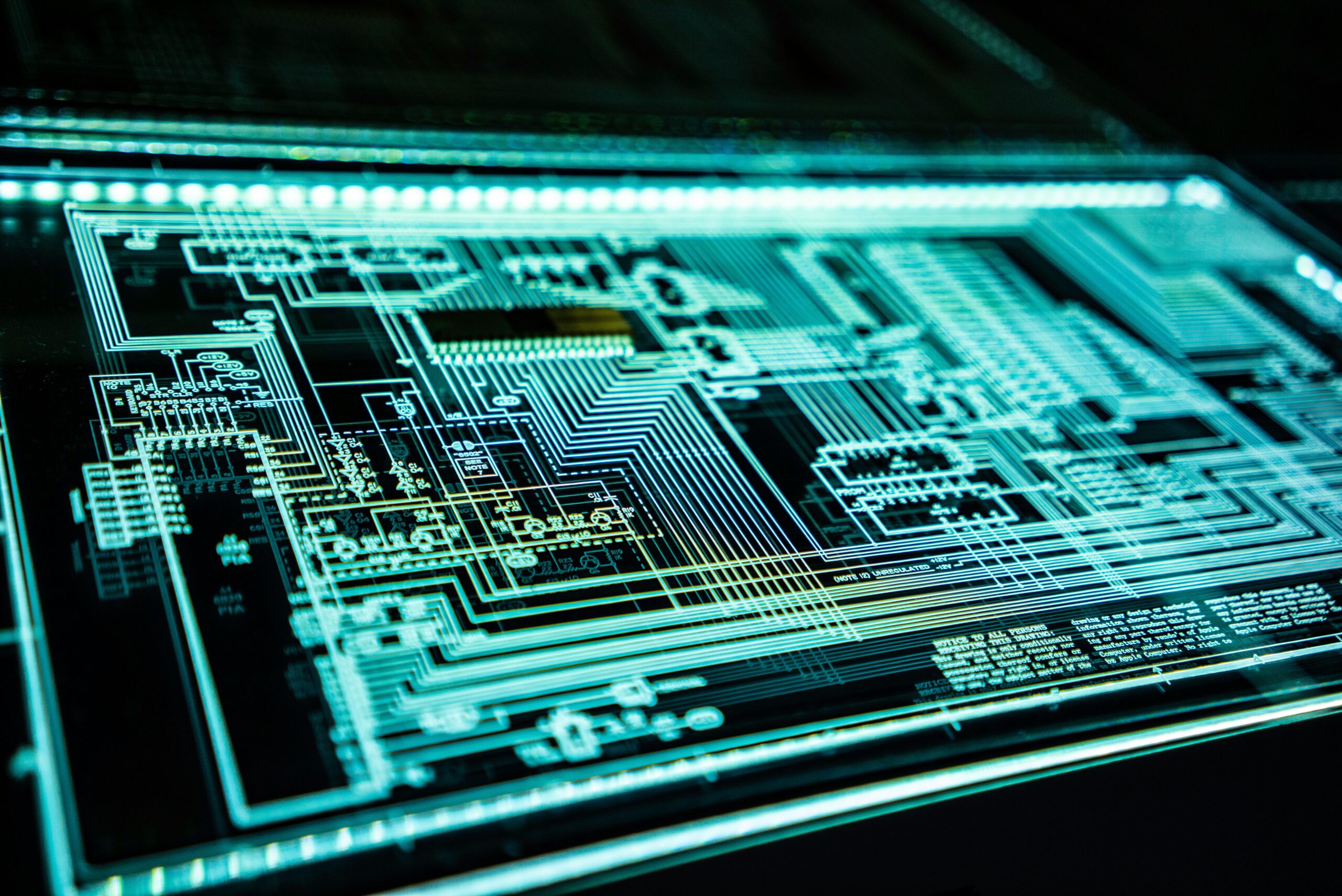
Apple has officially closed the chapter on Intel-based Macs with the announcement that macOS 27 will require Apple Silicon processors—specifically the M1 chip or newer. This strategic move represents a watershed moment in computing history, signaling the definitive conclusion of a 15-year partnership with Intel and cementing Apple’s commitment to its custom silicon architecture. The decision eliminates support for all Intel-based Mac models, forcing a significant portion of Apple’s user base to consider hardware upgrades if they wish to adopt the latest operating system.
The transition to Apple Silicon, which began in earnest with the M1 chip’s debut in late 2020, has proven remarkably successful for the tech giant. The M-series chips have consistently outperformed their Intel counterparts in both synthetic benchmarks and real-world applications, while delivering superior energy efficiency and thermal performance. By mandating Apple Silicon for macOS 27, the company can fully optimize its operating system for proprietary hardware, eliminating legacy code and architectural compromises that have historically hindered performance.
From a financial perspective, this move carries significant implications for Apple’s ecosystem. The company has already transitioned the majority of its Mac lineup—from MacBook Air and Pro models to Mac mini, iMac, and Mac Studio—to Apple Silicon. However, millions of Intel Mac users remain in the wild, some running machines just five to seven years old. This forced obsolescence, while typical for technology cycles, may create friction among loyal customers and could drive some users toward alternative platforms. Conversely, it opens substantial upgrade opportunities for Apple’s hardware sales division, potentially driving record Mac revenue in coming quarters.
The business rationale extends beyond hardware sales. By controlling both silicon and software, Apple achieves unprecedented vertical integration, reducing dependency on external suppliers and maximizing profit margins. The company can iterate faster, implement security features directly at the hardware level, and guarantee optimization across its entire ecosystem. These competitive advantages justify the company’s continued investment in silicon design and manufacturing partnerships.
Industry analysts view this move as inevitable and strategically sound. Microsoft and other PC manufacturers face inherent constraints optimizing Windows for hundreds of hardware configurations. Apple’s closed ecosystem approach, while limiting user choice, enables superior performance optimization and cohesive product design. The precedent aligns with historical patterns: Apple discontinued floppy drives, optical media, and Intel processors when strategic benefits warranted.
What This Means For You: If you’re running an Intel Mac, macOS 27 compatibility is no longer an option—you’ll need to upgrade to M1, M2, M3, or newer hardware to access the latest operating system and security updates. While this creates near-term expense for some users, it signals Apple’s commitment to delivering cutting-edge performance and efficiency. For those already on Apple Silicon, this represents full optimization and access to features impossible on legacy architectures. Consider your upgrade timeline carefully, as extended Intel Mac support becomes increasingly limited.
Source: Original Article